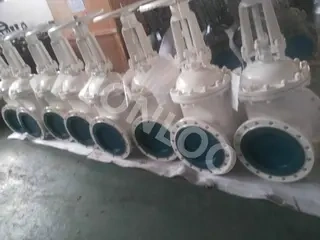
DIN GATE VALVES FOR EUROPEAN CLIENT
- Sep 21, 2019
- Hits: 57
We delivered Flanged gate valves with rising stem to our European client. The valve sizes are DN300 and nominal pressure are PN16 or PN25. Customer has very high requirements on the products....
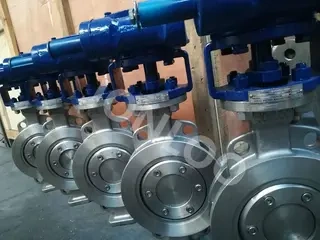
JONLOO Super Duplex SAF2507 Butterfly Valves Ready for delivery
- Sep 20, 2019
- Hits: 126
The order of 20pcs of Super Duplex Stainless Steel Butterfly Valves has finished by JONLOO. Super Duplex SAF2507 is applied for valve body and disc. The seal ring is made of inconel and graphite and stem...
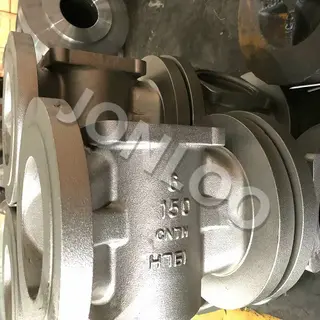
What is Plug Valve
- Aug 14, 2019
- Hits: 263
What is Plug Valve? Plug valve is Quarter-turn rotary motion Valve that uses a tapered or cylindrical plug to stop or start the flow. The disk is in plug shape, which has a passage to pass the flow. In...
-320x320.webp "THE DIFFERENCE BETWEEN A LUG AND WAFER BUTTERFLY VALVE")
THE DIFFERENCE BETWEEN A LUG AND WAFER BUTTERFLY VALVE
- Jul 01, 2019
- Hits: 674
Butterfly valves have been around for a long time, and are used for a variety of applications. They made their first appearance during the 1930s, and have been utilized by several industries ever since....
-320x320.webp "Types of Check Valves")
Types of Check Valves
- Jul 01, 2019
- Hits: 1417
Check valve is used to stop back flow in a piping system. This is also called Non return Valve (NRV). Types of Check Valves Check valves are available in the following designs: Swing Check Valves...
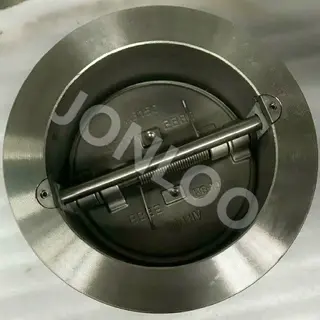
Dual Plate vs. Swing Check Valve
- Jun 17, 2019
- Hits: 3213
Check valves are automatic valves that open with forward flow and close against reverse flow. The different groups of check valves include swing check valves, lift check valves, dual plate check valves,...
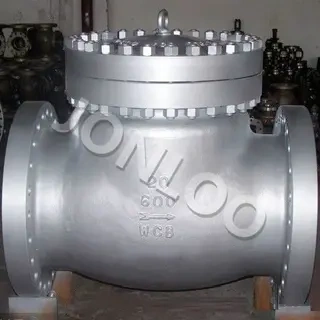
How do Check Valves Function, and Why would they be Selected over other Valve Types?
- Jun 17, 2019
- Hits: 68
Also known as non-return, one-way, and clack valves, check valves are different from other types of valves in their ability to pass fluid in solely one direction. This sort of function is essential for...
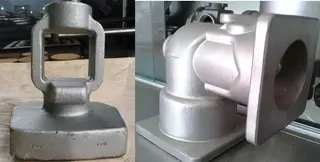
Advantages of Forged Components Over Cast Ones
- May 22, 2019
- Hits: 70
Valves are widely used for industrial application. And valves are designed in a variety of kinds, such as globe valve, gate valve, check valve, ect. But not all valves are produced in the same way. Some...
-320x320.webp "WHY ARE FORGED VALVES BETTER THAN CAST VALVES?")
WHY ARE FORGED VALVES BETTER THAN CAST VALVES?
- May 22, 2019
- Hits: 73
In comparison to castings, the structure of forgings ensures wall thickness and dimensional tolerances are uniform. High impact closed die press forces and a segregation free billet guarantees superior...
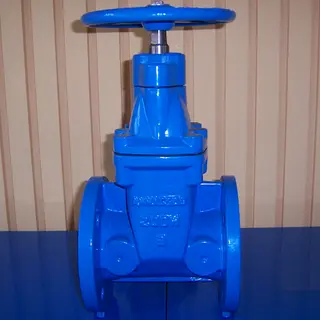
Ductile Iron Valve VS Cast Iron Valve
- May 15, 2019
- Hits: 90
Customers from all kinds of industries need valves of all varieties for their high-demand processes. Valves are available in a huge number of materials for any application imaginable. A few of these materials...
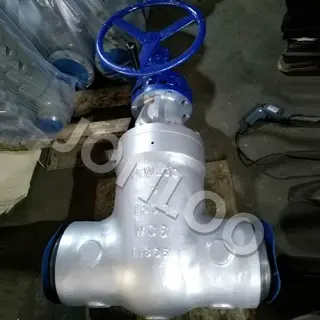
What Material to Use for Valves in High Temperature Condition
- May 15, 2019
- Hits: 104
High temperature conditions include sub-high temperature, high temperature grade Ⅰ, high temperature class Ⅱ, high temperature grade Ⅲ, high temperature Ⅳ grade, high temperature Ⅴ grade, the following...
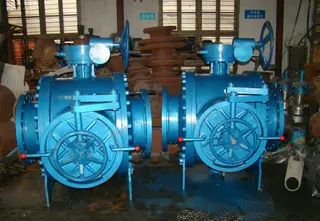
What is Piggable Valve
- May 08, 2019
- Hits: 686
What is pigging? Pigging a pipeline starts with a pig trap – a funnel shaped Y-section in the pipeline that includes a launcher and a receiver. Certain valves, like the GROVE G4N gate valve and...