- Nov 22, 2026
- Hits: 0
When specifying valves for high-pressure, corrosive seawater systems, understanding the specific product characteristics of the DN100 PN25 2205 duplex stainless steel butterfly valve is critical. Here is a technical breakdown of its design features, material advantages, and the exact operating conditions where it outperforms.
In the B2B valve market, a specification like "DN100 PN25 butterfly valve" only scratches the surface. For engineers and procurement teams working on marine, offshore, and desalination projects, the real question is: How does this specific valve perform under pressure, and where does it fit best?
The DN100 PN25 2205 duplex stainless steel butterfly valve is a highly specialized product. It combines a DN100 (4-inch) nominal size, a PN25 high-pressure rating, and the exceptional metallurgy of 2205 duplex stainless steel. This article provides a detailed engineering overview of its key features and typical operating conditions, helping you determine if it is the right fit for your seawater or chemical piping system.
To understand the value of this valve, we must look at its individual components and design features.
The most defining feature of this valve is its 2205 duplex stainless steel construction (UNS S32205). Unlike standard austenitic stainless steels (like 304 or 316), 2205 has a two-phase microstructure (austenite + ferrite). This provides two immediate benefits for the DN100 PN25 butterfly valve:
High Strength for PN25: The yield strength of 2205 is roughly double that of 316L. This allows the valve body and disc to be cast with a more compact profile while still safely handling PN25 (25 bar) pressure. A lighter valve means less stress on pipe supports and easier installation in tight spaces.
Chloride Resistance: The high chromium, molybdenum, and nitrogen content in 2205 provides excellent resistance to chloride pitting and crevice corrosion, which are the primary failure modes for valves in seawater.
The valve is equipped with a worm gear operator (the blue mechanism on top). In a PN25 system, the pressure differential across the disc can be substantial. The worm gear provides a high mechanical advantage, reducing the torque required to open or close the valve. This ensures smooth, safe operation even for operators in manual mode. The top flange is typically machined to the ISO 5211 standard, allowing for easy retrofitting with a pneumatic or electric actuator if automation is needed later.
The valve features flanged ends (wafer or lug style) that fit between standard pipeline flanges. This design is highly space-efficient. The cast flow arrow on the body ensures correct installation direction, which is critical for achieving the designed sealing performance and minimizing flow turbulence.
The sealing performance of a butterfly valve depends heavily on its seat material. For seawater applications, the 2205 body is typically paired with a PTFE, RPTFE, or EPDM seat. These materials provide bubble-tight shutoff at PN25 pressures while accommodating the slight thermal expansion of the metallic disc.
Why choose a 2205 duplex stainless steel butterfly valve over a gate valve or globe valve for a PN25 seawater line?
Compact & Lightweight: A DN100 butterfly valve is significantly smaller and lighter than a DN100 gate valve of the same pressure class. This saves space in crowded ship engine rooms and offshore skids.
Low Pressure Drop: When fully open, the butterfly disc aligns with the flow, offering a large open area with minimal resistance. This reduces pump energy consumption.
Fast 90-Degree Operation: Quarter-turn operation allows for rapid isolation, an essential safety feature in firefighting or cooling water systems.
Cost-Effective High Pressure: The high strength of 2205 means you can achieve PN25 performance without the heavy, expensive castings required for carbon steel or 316L stainless steel valves.
The DN100 PN25 2205 duplex stainless steel butterfly valve is engineered for specific, demanding environments. Here are the key operating conditions where it excels:
Condition: Continuous exposure to seawater (high chlorides), pressure up to 25 bar, ambient temperatures.
Application: Isolation of seawater cooling pumps, heat exchangers, and fire main sections. The 2205 duplex body resists the aggressive marine environment, while the worm gear allows for manual operation against high line pressures.
Condition: High-pressure feedwater and brine lines, often with elevated temperatures (up to 80°C depending on the process).
Application: Flow control on the high-pressure side of RO membranes or in brine discharge lines. The PN25 rating and 2205 material ensure the valve handles both the pressure and the corrosive brine without rapid degradation.
Condition: High-pressure seawater injection for firefighting or cooling, compact installation spaces.
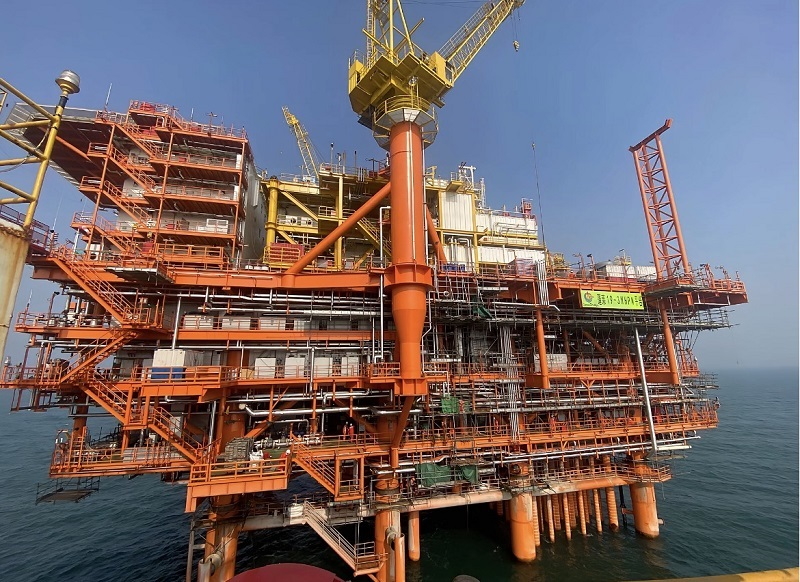
Application: Seawater service lines on the platform deck or in the pump room. The flanged butterfly valve design fits easily into tight piping manifolds, and the 2205 material provides the necessary safety margin against chloride stress corrosion.
Condition: Handling of chloride-rich solutions, brine, and other aggressive chemicals at PN25 pressures.
Application: Isolation valves in chemical feed lines. The 2205 duplex stainless steel provides superior resistance to pitting and crevice corrosion compared to 316L, extending the valve's service life.
To get the most out of your DN100 PN25 2205 butterfly valve, consider the following:
Flange Compatibility: Confirm the valve's flange drilling matches your pipeline standard (e.g., EN 1092-1 PN25, ASME B16.5 Class 300). Ensure the gasket material is compatible with the 2205 body and the process media.
Seat Material Choice: For seawater at ambient temperatures, PTFE or EPDM are common. For higher temperatures, verify the seat material's temperature limit.
Operation and Maintenance: The worm gear should be cycled periodically to prevent the disc from seizing in the seat. Inspect the seat and flange gaskets during routine maintenance to ensure a bubble-tight seal.
Traceability: The cast markings on the body (e.g., DN100, PN25, 2205, S590B) provide essential material and heat traceability, which is often required for offshore and marine certification.
Historically, engineers might have specified a PN25 carbon steel valve with a protective coating, or a thicker, heavier 316L stainless steel valve. However, both options have drawbacks: carbon steel requires constant maintenance, and 316L struggles with chloride stress corrosion at higher pressures and temperatures.
The DN100 PN25 2205 duplex stainless steel butterfly valve offers a balanced solution. It provides the strength needed for PN25 service and the corrosion resistance needed for seawater, without the weight and maintenance penalties of alternative materials. This is why, in modern marine and desalination engineering specifications, 2205 duplex stainless steel is increasingly the material of choice for critical isolation points.
The DN100 PN25 2205 duplex stainless steel butterfly valve is a purpose-built component for high-pressure, corrosive service. Its 2205 duplex body delivers the strength for PN25 ratings and the corrosion resistance for seawater. The worm gear operator ensures reliable manual control, and the butterfly valve design offers compact installation and low flow resistance.
For engineers and procurement teams selecting valves for marine, desalination, or chemical systems, understanding these product characteristics and operating conditions is essential. If you are looking for a reliable DN100 PN25 butterfly valve that can withstand the harshest environments, this 2205 duplex stainless steel model is designed to deliver.
Contact our engineering team today to discuss your specific application or to request a detailed technical datasheet for the DN100 PN25 2205 butterfly valve.
JONLOO valve company is a professional manufacturer of industrial valves, specializing in duplex stainless steel, bronze, and high-performance alloy valves for marine, offshore, and industrial applications. We provide reliable flow control solutions for demanding seawater and chemical systems worldwide.