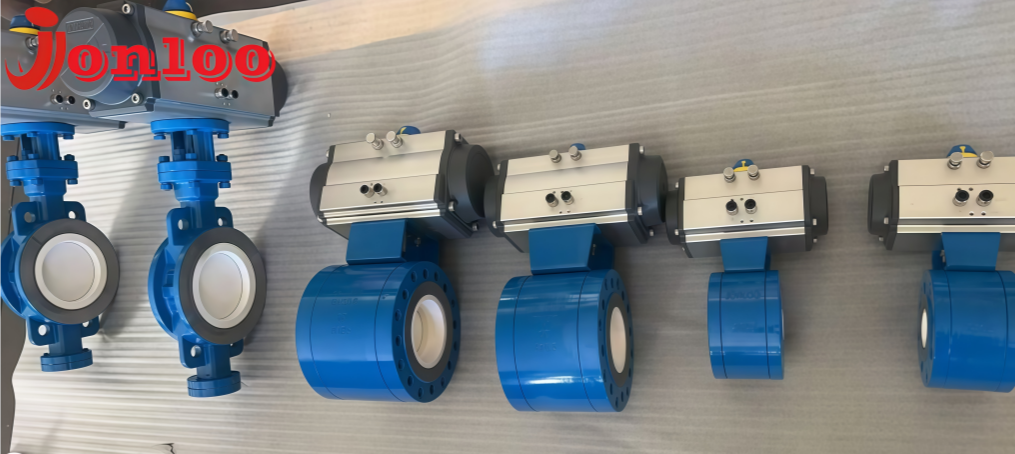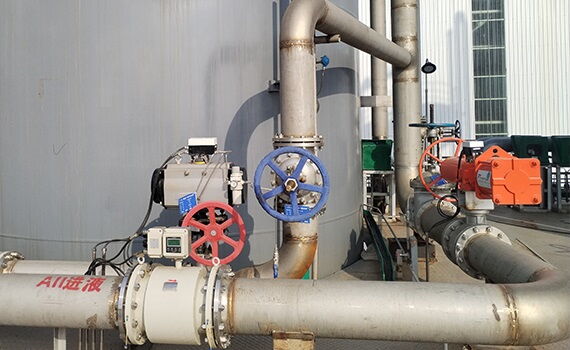
A ceramic ball valve is an advanced part that regulates the flow of liquids and gases in a range of commercial and industrial applications. This sort of valve has various advantages over conventional choices, such as improved corrosion resistance and endurance even in extreme situations, thanks to its precision-engineered design and robust ceramic materials. Understanding the advantages of a ceramic ball valve is crucial for maximizing system performance and lowering maintenance costs as industries look for more dependable and efficient solutions.
Ceramic ball valve use has increased recently as businesses place a higher value on efficiency and dependability. Ceramic materials' special qualities allow for tighter sealing and smoother functioning in addition to strength and durability. Ceramic ball valves are a great option for applications in a variety of industries, from chemical processing to water treatment facilities, because they result in less leakage and energy loss.
The purpose of this introduction is to go further into the workings of ceramic ball valves, emphasizing their design elements and the unique benefits they provide to contemporary systems. We can better understand why they are growing in popularity among engineers and system designers by examining their features and advantages.
A ceramic ball valve is a kind of valve that regulates the flow of liquids or gases inside a system by using a ball composed of ceramic materials. These valves are a great option for high-pressure and high-temperature applications because of their reputation for robustness and wear resistance. In comparison to conventional metal ball valves, the ceramic ball is usually firm and smooth, which reduces friction during operation and increases the valve's lifespan.
A ceramic ball valve's tight sealing qualities lower the possibility of leaks, and its design enables precise flow control. The valve can function well under challenging conditions because ceramic, as opposed to metal, is resistant to corrosion and chemical impacts. Industries where the integrity of the fluid being conveyed is crucial, like chemical processing, water treatment, and food manufacturing, greatly benefit from this characteristic. All things considered, ceramic ball valves offer a dependable and effective solution for demanding applications, enhancing system performance and safety.
A ceramic ball valve is a kind of valve that regulates fluid flow in a system by using a spherical ball composed of ceramic materials. The ball, seat, stem, and body are the essential parts of a ceramic ball valve, each of which adds to its overall longevity and functionality. Because of its exceptional hardness and chemical resistance, the ball—which is frequently made of high-purity alumina or zirconia ceramics—can handle abrasive and corrosive compounds with little to no wear.
The global ceramic ball valve market is expected to expand significantly due to growing use in sectors like mining and water treatment, where lifespan and chemical resistance are essential, according to a market research analysis by MarketsandMarkets.
Another essential part is the seat, which is made to tightly seal the ball when the valve is closed. The seat, which is usually composed of the same or comparable ceramic materials, improves the valve's functionality, guaranteeing little leakage and a longer lifespan. Additionally, the stem allows for precise control over fluid flow by connecting the ball to the valve actuator.
Ceramic ball valves are a good investment for many industrial applications since, according to industry experts, their lifespan frequently exceeds that of conventional metal valves by up to 50%, resulting in cost savings in both maintenance and operation.
The exceptional durability and dependability of ceramic ball valves in a variety of industrial applications is becoming more widely acknowledged. The remarkable hardness of ceramic materials, which enable them to endure high pressures and harsh environments without suffering considerable wear, is one of the key benefits of utilizing them in ball valves. Systems that depend on these valves are more efficient overall because of their endurance, which translates into lower maintenance costs and fewer replacements.
Ceramic ball valves are also perfect for handling corrosive fluids because of their superior chemical resistance. This characteristic guarantees that the valves will continue to function and retain their integrity throughout time, even in challenging circumstances. Ceramic's smooth surface also reduces friction, which improves flow rates and saves energy.
Ceramic ball valves are an attractive option for engineers and system designers because they can improve performance, reduce operating costs, and increase system reliability.
Because of their exceptional durability and resistance to corrosion and wear, ceramic ball valves are becoming more and more popular in a variety of industries. These valves efficiently manage harsh fluids while lowering maintenance costs in industries like chemical processing. Ceramic materials are a great option for such demanding applications because of their remarkable toughness, which enables smooth functioning even in high-pressure and high-temperature settings.
Ceramic ball valves are preferred in the food and beverage sector due to their hygienic qualities. They offer simple cleaning capabilities while preventing contamination, which is essential for preserving the integrity and safety of the product. Furthermore, these valves are crucial for regulating flow in sterile procedures without sacrificing cleanliness in the pharmaceutical industry.
Advice: Take into account the particular needs of your system, such as the fluid type, temperature, and pressure conditions, when choosing a ceramic ball valve for your application. To guarantee compatibility and the best possible performance for your requirements, always speak with a supplier. To maximize the longevity and effectiveness of your ceramic ball valves, correct installation and regular maintenance are also essential.
Applications of Ceramic Ball Valves in Different Industries: What Is a Ceramic Ball Valve and How Does It Help Your System?
| Industry | Application | Benefits | Temperature Range | Pressure Rating |
|---|---|---|---|---|
| Chemical | Corrosive Fluid Control | High chemical resistance | -20°C to 200°C | Class 150 |
| Water Treatment | Flow Regulation | Durability and low maintenance | 0°C to 100°C | Class 300 |
| Oil & Gas | Pipeline Isolation | Enhanced sealing capabilities | -40°C to 120°C | Class 600 |
| Food & Beverage | Fluid Handling | Compliance with hygiene standards | 0°C to 90°C | Class 150 |
| Pharmaceutical | Chemical Processing | Inert to pharmaceuticals | -10°C to 140°C | Class 300 |
Ceramic ball valves are perfect for high-performance applications in a variety of industries because of their reputation for longevity and wear resistance. To guarantee optimum performance and longevity, they need to be properly maintained, just like any other piece of equipment. Regular maintenance is crucial since, according to industry studies, well-maintained ceramic ball valves can live up to 30% longer than those that are neglected.
Take into account the following advice to properly maintain your ceramic ball valves: First, check the valves for wear and damage on a regular basis. This involves looking for erosion, pitting, or cracks in the ball and seals. Second, to avoid premature wear, make sure the valves are used within the specified pressure and temperature limits. Finally, to help eliminate accumulated dirt and impurities, clean the valves on a regular basis using suitable cleaning chemicals that won't damage the ceramic material.
You can increase the longevity and effectiveness of ceramic ball valves in your system and make them a dependable part of your operations by according to these maintenance recommendations. In addition to decreasing downtime, proactive maintenance can ultimately result in far lower replacement costs.