In pipeline systems, strainers are essential because they purge the medium of contaminants, safeguarding valves and other vital components. Two popular strainer kinds, each having distinct design elements and uses, are Y-type and T-type strainers. To assist users in selecting the best alternative for various pipeline systems, this article examines the specific features, uses, cleaning and maintenance procedures, and selection criteria for these strainers.
Two of the most widely utilized strainers in pipeline systems are Y-type and T-type strainers. An overview of these two strainer kinds is given below.
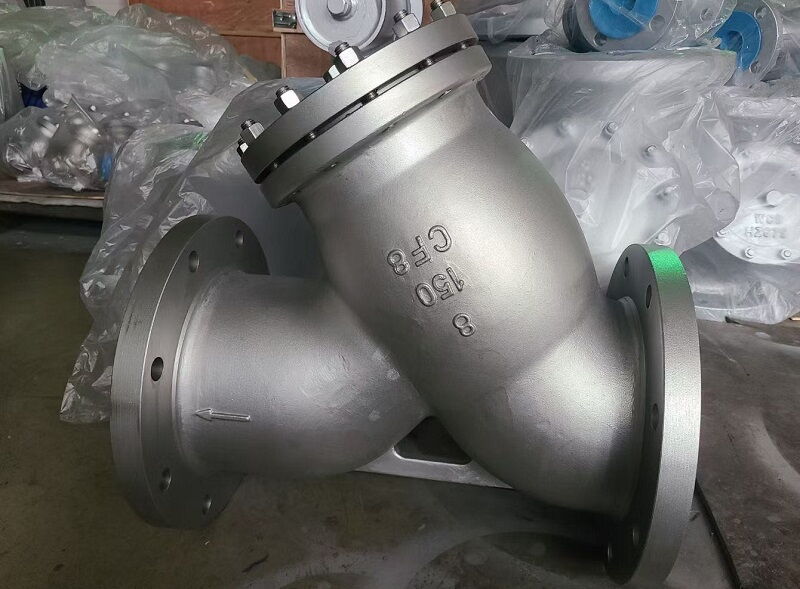
A Y-shaped pipe and a filter screen make up the majority of a Y-type strainer, a popular filtering tool in pipeline systems. Because of its design, it can be used in applications where the pipe diameter is less. Among the main benefits are:
Efficiency of Filtration: Y-type strainers provide efficient filtration, effectively eliminating contaminants from the medium.
Cost and Structure: Y-type strainers are appropriate for cost-effective applications due to their straightforward structure and low manufacturing costs.
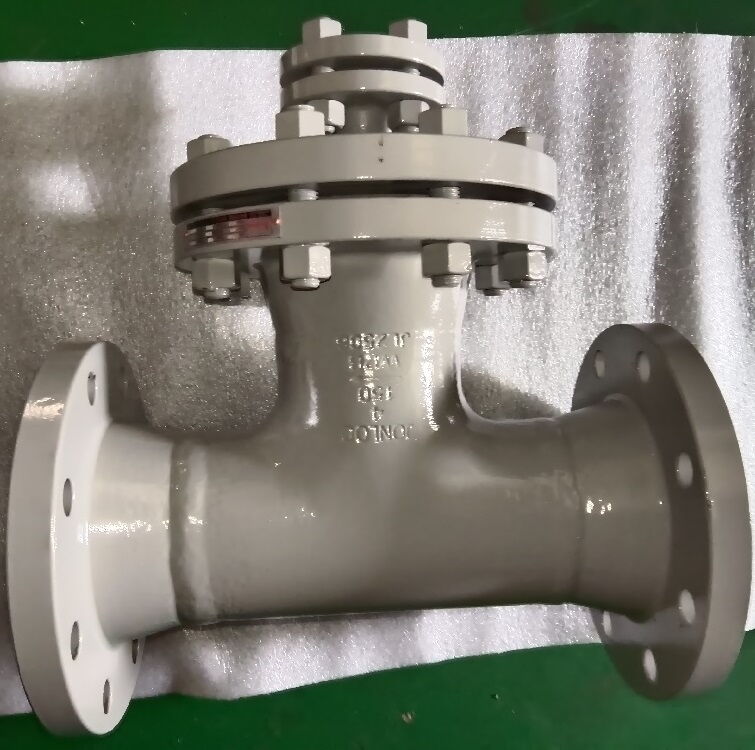
Filter plates are stacked vertically in a straight pipe in T-type strainers. They are perfect for systems with bigger pipe sizes because of their design. Among the main benefits are:
Cleaning Made Easy: Cleaning is made easier by the filter plates' vertical layout. The strainer is easy for users to disassemble and clean.
Application Range: Ideal for systems with 90° pipeline bends and greater pipe diameters.
The type of medium, pipe diameter, temperature, pressure, and flow direction are all important considerations when choosing the right strainer. These are detailed instructions for using T-type and Y-type strainers.
Ideal Pipe Diameter: Usually used for pipes that are 2 inches (DN50) in diameter or less, although it can also be used for flushing oil pipes that are 3 inches in diameter.
Application Situations: Perfect for pipeline systems with a reasonably constant flow direction, especially those with a pipe diameter of DN80 or smaller. Applications requiring excellent filtration efficiency and infrequent cleaning are a good fit for Y-type strainers.
Benefits of Design: Y-type strainers are widely employed in a variety of industrial pipeline systems, including water treatment, heating systems, and light industry, because of their straightforward and affordable design.
Appropriate Pipe Diameter: Ideal for pipes that are two inches in diameter or larger, particularly when the pipe diameter is greater than DN80.
Application Scenarios: Perfect for pipelines with a high diameter or systems with 90° bends. For applications requiring complicated pipeline layouts or regular cleaning, T-type strainers are recommended.
Benefits of Design: T-type strainers are appropriate for high-flow and complex pipeline systems, such as those found in petrochemical, power generating, and large-scale water treatment facilities, because of their design, which permits a straight arrangement in the pipeline.
For strainers to function properly in pipeline systems, regular cleaning and maintenance are essential. Cleaning and maintenance needs for strainers vary depending on their type. Users can increase system efficiency and prolong the strainer's lifespan by being aware of these criteria.
Cleaning Procedure: Y-type strainers might be difficult to clean; to do so, you must take the strainer out of the pipeline and open the back cover. Regular maintenance is required for these strainers because they do not permit online cleaning. Based on actual usage, it is normally advised to do comprehensive inspections and cleanings at regular intervals.
Considerations for Maintenance: To avoid blockage and guarantee efficient filtration, periodically inspect the filter screen's condition. Make sure the strainer is intact during cleaning to prevent secondary contamination.
Cleaning Method: With the vertical arrangement of the filter plates, cleaning is more straightforward. Users can directly remove the detachable strainer, clean out the collected impurities, and reassemble it. This design makes T-type strainers convenient for frequent cleaning applications.
Maintenance Considerations: Regularly inspect the filter plates or strainers to ensure there is no clogging. During maintenance, consider the strainer's sealing and performance to ensure its effectiveness during operation.
Take into account the following elements while deciding between T-type and Y-type strainers.
Medium Nature: Choose the type of strainer according to the properties of the medium (e.g., corrosiveness, temperature, pressure).
Pipe Diameter: T-type strainers work better for pipes larger than DN80, while Y-type strainers are advised for pipes smaller than DN80.
Flow Direction Changes: To guarantee efficient filtration, T-type strainers are recommended for pipelines with 90° direction changes.
Cleaning Requirements: T-type strainers with simple cleaning features are better suited for systems that need to be cleaned often.
Both T-type and Y-type strainers have special qualities and work well with various pipeline systems. Y-type strainers are perfect for systems with smaller diameters and steady flow directions because of their good filtration and affordability. T-type strainers, on the other hand, are more appropriate for intricate designs and pipelines with greater diameters because of their versatility and ease of cleaning. By being aware of the characteristics and uses of these strainers, users may make well-informed decisions that will guarantee the stable and effective operation of their pipeline systems.